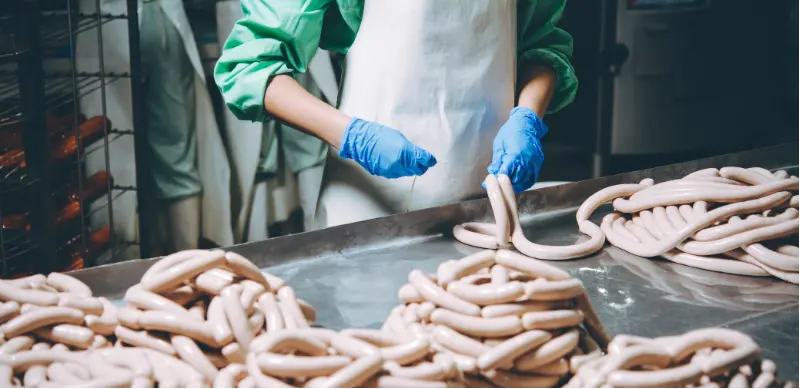


The dynamic landscape of the indonesia processed meat import sector is currently undergoing one of its most dramatic regulatory resets in a decade. Customs data tracking sausage imports under code HS 1601 tells this story bluntly.
Total import value fell from $420,000 in 2024 to $216,000 in 2025, representing a 49% market collapse. In the first four months of 2026, the market has nearly gone dark, recording just $3,400 in total imports.
For foreign food manufacturers and trading companies eyeing Indonesia’s 280 million consumers, the instinct might be to read this as a vacuum waiting to be filled. However, the actual reality is far more nuanced.
Understanding this shift requires looking beyond basic tariffs at the two regulatory walls that now define who can legally sell processed meat in the archipelago.

The First Wall: Facility Approvals and Import Licensing Regulations
Indonesia’s Ministry of Agriculture operates a strict, plant-by-plant import approval system for processed meat products.
Foreign facilities must obtain specific recognition from Indonesian authorities before their products can legally enter the border. This verification regime is entirely independent of any active international trade agreements.
Navigating these strict import licensing regulations requires extensive technical documentation before shipping any goods.
This specific regime explains the near-total collapse of US sausage imports from $415,000 in 2024 to zero by early 2026. It was not a price or preference shift, but rather a direct licensing blockage.
The US Meat Export Federation had been contesting this restrictive system for several years.
Foreign facilities must secure independent approvals, proving that global agreements do not bypass domestic import licensing regulations.
The bilateral trade framework signed in early 2026 explicitly targets these complex import licensing regulations to reopen trade routes for agricultural products.
The critical lesson for any foreign supplier remains clear: market access is never assumed from a generalized trade agreement alone. Facility registration must be secured independently. Without this clearance, your products cannot clear customs regardless of your competitive tariff levels.
The Second Wall: Compliance and the Indonesia Halal Mandate
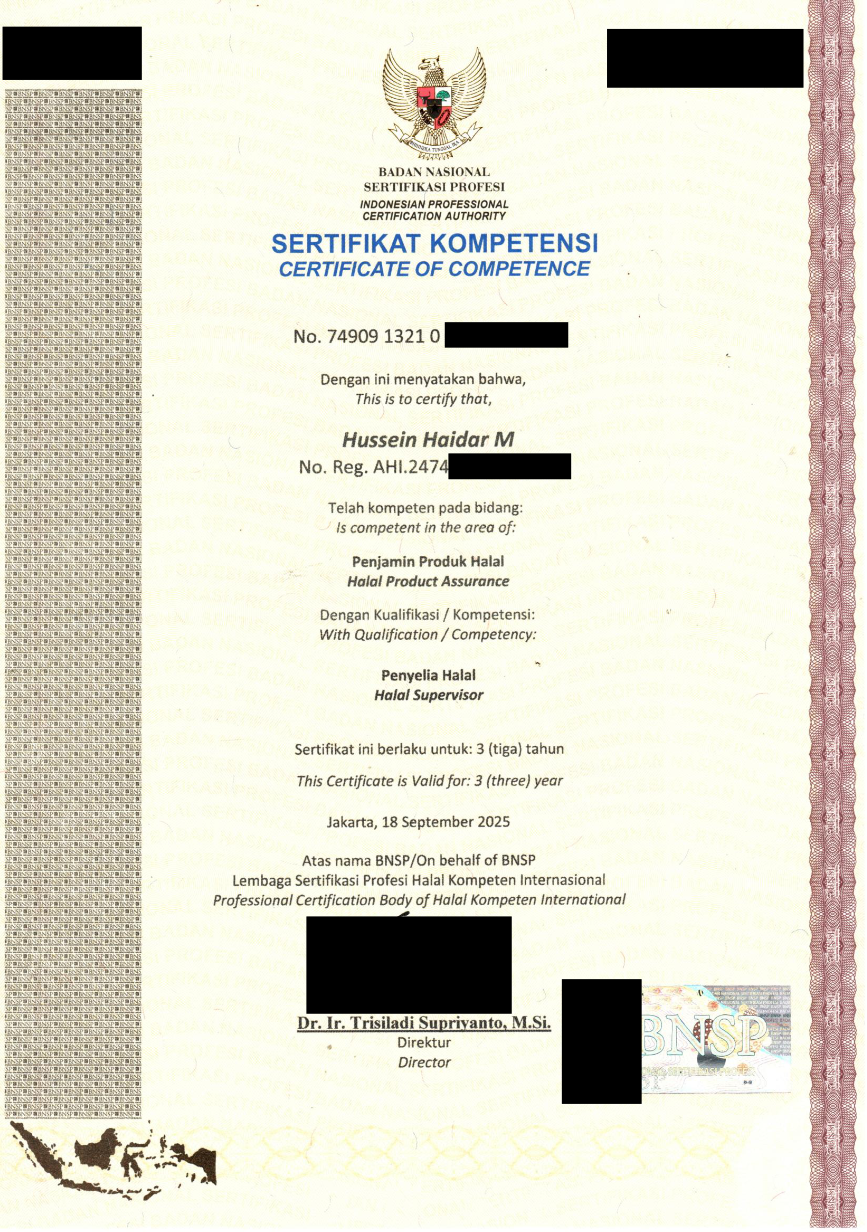
Indonesia’s Halal Product Assurance Law mandates that all processed food and beverage products carry official certification by October 2026. This rule applies directly to all imported sausages entering the local market.
This is not a soft operational guideline, but a hard legal requirement with direct import clearance consequences. The upcoming execution of the Indonesia halal mandate leaves no room for administrative delays.
The visible impact of this wall can be seen in the sudden European supplier market exit. Germany, the Netherlands, France, and Poland, all previously active sausage exporters to Indonesia, have essentially vanished from customs data between 2024 and 2026. Their products were not uncompetitive on price or quality.
Many European exporters chose to exit the market rather than adapt to the strict timelines of the Indonesian halal mandate. They lacked certification from recognized halal bodies, and facing the deadline, the commercial case for obtaining it was weak for a minor export line.
For pork-based sausages, the barrier is absolute because there is no certification pathway for pork products in this framework. For beef or chicken sausages, certification is achievable.
Fulfilling the halal mandate requires foreign plants to undergo exhaustive on-site conformity assessments by accredited local inspection agencies.
Market Realignment: Who is Succeeding and Why?
Not all import origins collapsed during this transition phase.
Two specific suppliers have successfully maintained or grown their position through this period, and both offer highly instructive case studies for global brands.
Japan grew its share from $257,000 in 2024 to $477,000 in 2025 and is pacing strongly in early 2026. Japanese processed meat exporters have long invested in certification infrastructure for Southeast Asian markets. Japan’s food safety reputation translates into easier acceptance by modern trade buyers and food service operators.
Their sausage products occupy a premium gifting and specialty retail niche, a segment less exposed to raw commodity import licensing battles.
Hong Kong surged from $1,600 in 2024 to over $10,000 in 2025 before consolidating its position in 2026. Hong Kong functions as a regional entrepôt, where buying decisions and re-export logistics for Southeast Asia pass through consolidated channels.
Its rise suggests Indonesian importers were routing supply through alternative channels as a localized workaround. This transshipment approach carries its own long-term compliance risks.
As Indonesia strengthens country-of-origin traceability requirements under the new framework, routing that obscures the original processing location will face intense scrutiny.
Step-by-Step Compliance and BPOM Food Registration Pathways
For any international food manufacturer considering sausage or processed meat exports, the compliance sequence is now fixed and non-negotiable:
- Step 1: 清真认证 first. Without proper validation, a product cannot legally be imported as of October 2026. This means engaging with accredited bodies for facility audits before any other market entry step. For chicken and beef products, this is achievable, while pork products remain structurally closed.
- Step 2: Facility registration with the Ministry of Agriculture. Separately from religious compliance, the foreign production facility must obtain technical import approval. This requires documentation, facility inspection coordination, and ongoing compliance with sanitary standards.
- Step 3: Navigating the mandatory food safety platform. Imported processed food products must carry an official ML registration number before distribution through Indonesian retail and food service channels. Securing your BPOM食品注册 is a mandatory prerequisite before distributing items through retail networks. The process for BPOM food registration requires full disclosure of raw materials and laboratory testing reports. A successful BPOM food registration grants an official ML number, which must be printed directly onto your retail packaging.
- Step 4: Importer of Record or License Holder arrangement. Foreign companies without a local Indonesian entity require a licensed local importer to act as the regulatory sponsor. This relationship must be structured carefully because the license holder bears full legal responsibility for compliance.
Each of these steps has its own timeline, documentation burden, and specific regulatory agency. Attempting to run them sequentially adds 12 to 18 months to your market entry timeline. Running them in parallel compresses that schedule significantly.
The October 2026 Deadline Is Not a Soft Date
Industry observers periodically suggest Indonesia will extend its enforcement deadlines. Historically, some transitional grace periods have been granted for specific consumer sectors. However, the current enforcement posture suggests this cycle is entirely different.
The regulatory agency has been systematically expanding its accredited inspection network worldwide. The political commitment to full implementation is embedded deeply in the statutory JPH Law. The customs data already shows the market self-correcting as non-compliant suppliers exit the grid.
Foreign food companies that arrive at the deadline without certification in place will face a difficult outcome. They will experience a market that closes not through tariffs or quotas, but through compliance paperwork that was never filed.
Secure Market Access via Product Registration Indonesia
Product Registration Indonesia provides end-to-end regulatory support for food and beverage companies seeking to maintain access to the market.
Our services directly relevant to processed meat importers include guiding foreign manufacturers through accredited audits. We also assist international certification bodies seeking official Indonesian recognition. Our team manages the critical steps required for your retail inventory. We handle undername import structures and long-term regulatory sponsorship for foreign brands distributing in Indonesia.
The regulatory deadline is approaching faster than most standard manufacturing timelines allow for. If your facility audit, halal documentation, and product safety registration have not started, the time to begin is now. Contact 印度尼西亚产品注册 today to protect your market share.