

How to Register Health Supplements in Indonesia: Complete BPOM Guide for Foreign Companies

Supplement registration in Indonesia is one of the most important steps any foreign brand or exporter must complete before a single product can legally reach an Indonesian consumer. With over 277 million people, a rapidly growing health-conscious middle class, and an economy on a steady upward trajectory, Indonesia represents one of the most attractive supplement markets in Southeast Asia. The opportunity is real, and it is growing fast. But opportunity and entry are two different things. Completing supplement registration in Indonesia requires navigating a multi-layered regulatory environment overseen by BPOM (Badan Pengawas Obat dan Makanan), Indonesia’s National Agency for Drug and Food Control. For foreign companies, the path also involves […]
BPOM Probiotic Regulation: The Complete 2026 Guide for Foreign Investors and Exporters to Enter Indonesia

Indonesia’s supplement market is booming. For foreign brands, probiotics represent one of the most promising entry points. But before a single capsule reaches an Indonesian shelf, it must navigate one of Southeast Asia’s most rigorous regulatory frameworks. BPOM probiotic regulation in Indonesia has undergone a major overhaul in 2025. The new rules are stricter, more science-driven, and more consequential for anyone planning to register or sell probiotic supplements in the country. Whether a company is an established exporter testing the waters or a new investor building a presence from the ground up, understanding these rules is not optional. It is the foundation of a viable Indonesian market strategy. This guide […]
Navigating BPOM Registration for New Supplement Ingredients in Indonesia
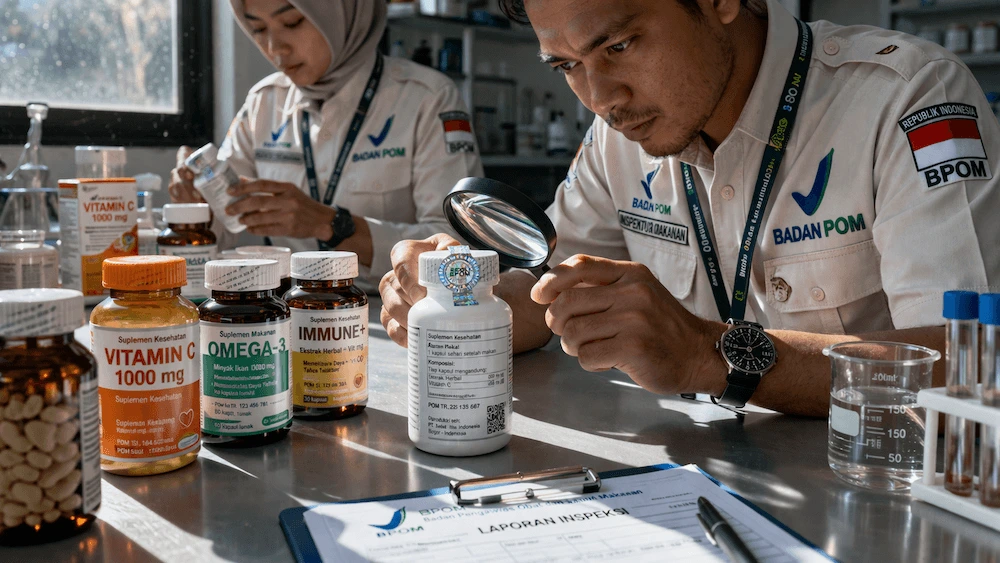
Entering the Indonesian health and wellness market offers a massive opportunity for international brands. However, the gatekeeper to this market is the Indonesian Food and Drug Authority, known as BPOM (Badan Pengawas Obat dan Makanan). Achieving a successful BPOM registration is the most critical milestone for any manufacturer or distributor. While many vitamins and minerals follow a standard path, things get complicated when your formula contains “novel” or “unlisted” ingredients. If your active material is not found on the standard regulatory lists, you must navigate a specific set of procedures to ensure your product can legally reach Indonesian consumers. In this comprehensive guide, we will break down how to handle […]
Navigating the 2026 BPOM Regulation: A Guide to Processed Food Recall and Destruction
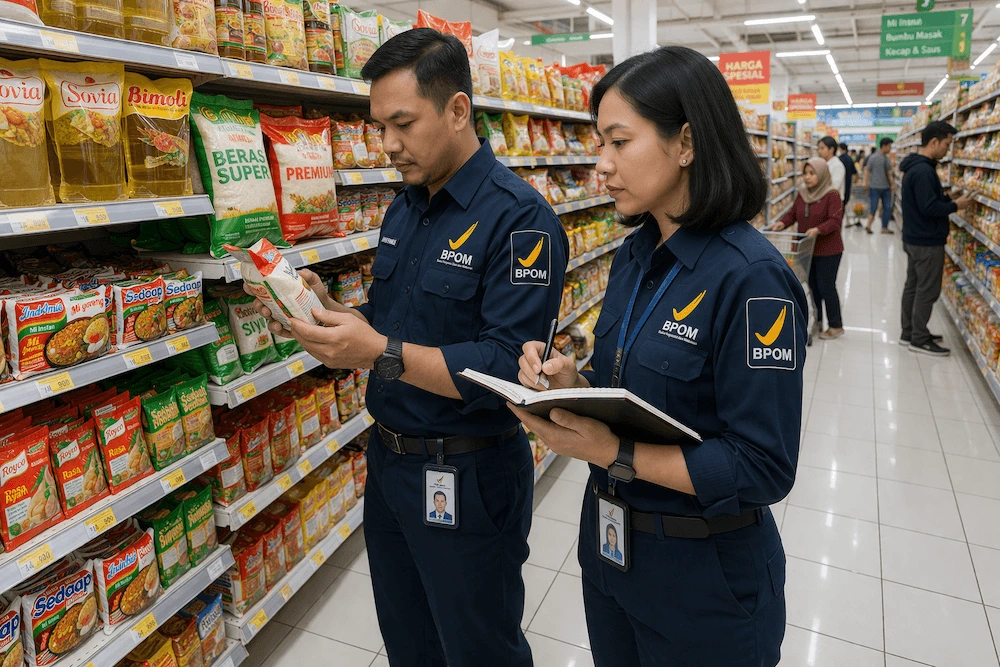
The landscape of food safety in Southeast Asia is shifting toward higher accountability and more rigorous oversight. On January 6, 2025, the Indonesian Food and Drug Authority (Badan Pengawas Obat dan Makanan) officially enacted a pivotal BPOM regulation regarding the Recall and Destruction of Processed Food. This update is not merely a clerical change; it represents a sophisticated overhaul of how manufacturers, importers, and distributors must handle non-compliant products. For international companies looking to maintain a foothold in the Indonesian market, mastering these new standards is essential for both legal compliance and the preservation of brand equity. Understanding the Scope of the New BPOM Regulation Indonesia is one of the […]
Navigating the New BPOM Standards for a Certificate of Analysis (CoA) in 2026

The landscape of cosmetic imports in Indonesia has undergone a significant transformation. As of January 8, 2026, the Indonesian Food and Drug Authority, known locally as Badan Pengawas Obat dan Makanan (BPOM), has implemented a decree that fundamentally changes the documentation required for market entry. At the heart of this update is a stricter, more standardized framework for the Certificate of Analysis (CoA). For international manufacturers and distributors, understanding these nuances is no longer optional; it is a critical prerequisite for maintaining a seamless supply chain into Southeast Asia’s largest economy. Understanding the BPOM Decree on the Certificate of Analysis (CoA) To appreciate the weight of these changes, one must […]
静かな脅威:インドネシアの天然薬における重金属制限の克服
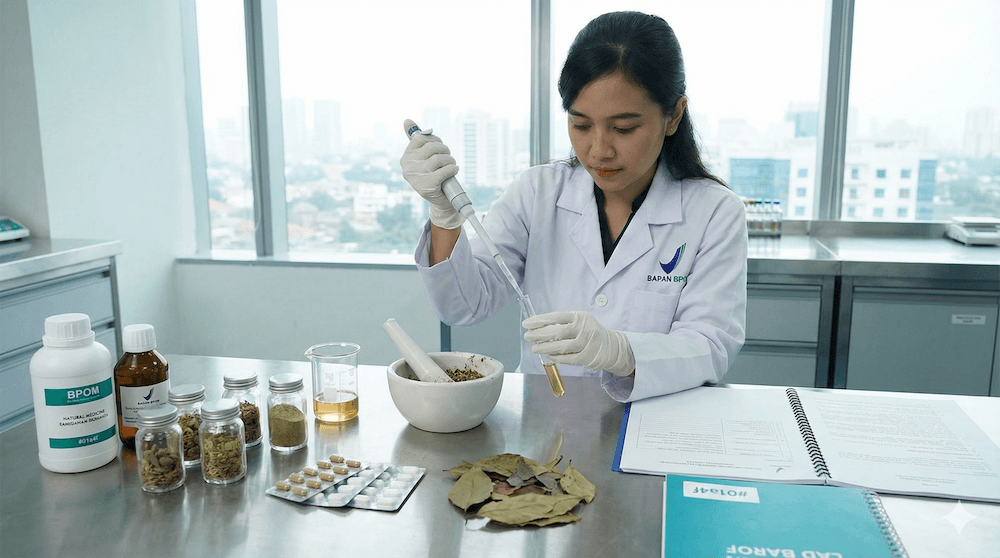
インドネシアの天然医薬品(OBA)と健康補助食品(SK)市場が急成長を続ける中、BPOM伝統医薬品・健康補助食品監督局は、「静かな」危険、すなわち重金属汚染への注力を強化しています。細菌とは異なり、重金属は加熱しても死滅しません。目に見えず、無味で、時間の経過とともに人体に蓄積し、慢性的な健康障害につながります。重金属がBPOMの「見えない門番」である理由 グローバルブランドにとって、重金属検査はBPOM登録プロセスの中で最も困難な部分であることがよくあります。ハーブ成分は土壌や水からミネラルを自然に吸収するため、原材料がお客様の手に届くずっと前から汚染が発生する可能性があります[…]
安全性の確保:天然薬における病原性腸内細菌の理解
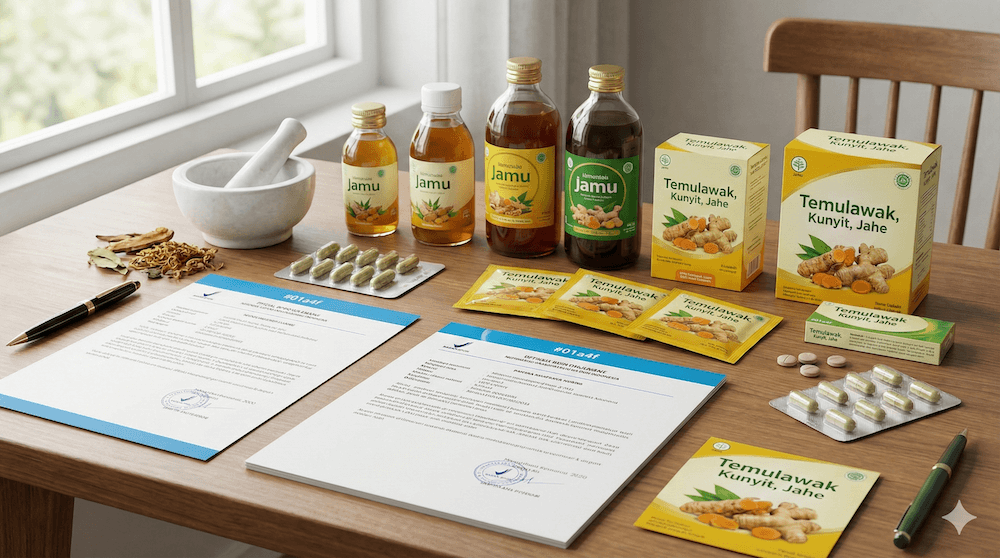
インドネシアにおける天然薬(OBA)および健康補助食品(SK)の製造業者と消費者にとって、微生物汚染のリスクを理解することは不可欠です。BPOM(インドネシア伝統医薬品・健康補助食品監督局)は、大腸菌やサルモネラ菌といった悪名高い病原菌を含むグラム陰性細菌の一種である腸内細菌科の危険性を強調しています。腸内細菌科がBPOMにとって「危険信号」となる理由 これらの病原菌の存在は、製造および原材料の取り扱いにおける品質のベンチマークとしてしばしば用いられます。天然薬における汚染は特に危険です。なぜなら、これらの製品の多くは、本来であれば細菌を死滅させるはずの加熱処理を施さずに直接消費されるからです。主な汚染源:[…]
インドネシアと中国の相乗効果:BPOMと広西薬品管理局が戦略的医薬品提携を開始
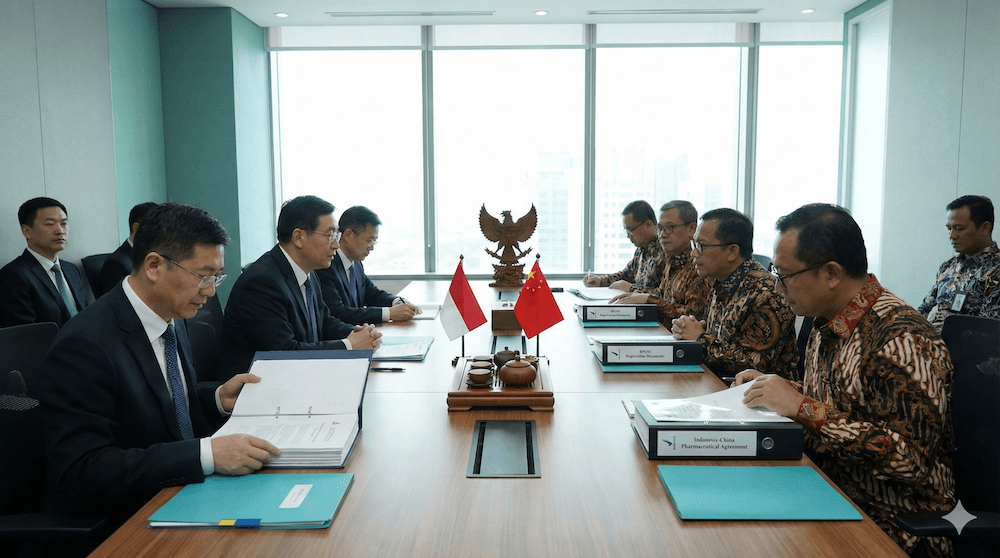
インドネシアの国家医薬品食品管理庁(BPOM)と広西チワン族自治区医薬品管理局との最近の協力は、インドネシア市場への体系的かつコンプライアンス遵守を重視する中国製薬企業にとって、BPOM登録における重要な節目となる。この提携は、両国間の規制当局間の連携強化を示すものであり、インドネシアが厳格な国家保健安全措置を維持しながら、国際協力への開放性を高めていることを反映している。中国メーカーにとって、この動きは単なる外交的ジェスチャーではない。製品がBPOMの安全性、品質、コンプライアンス要件を満たすことを条件に、インドネシアが越境医薬品貿易に対応するために規制エコシステムを積極的に改善していることを示す戦略的なシグナルである。中国のイノベーションとインドネシアのイノベーションへの「ゲートウェイ」[…]
「ヒューマンエラー」を超えて:CAPAとBPOMコンプライアンスの習得
インドネシアの伝統医学(OBA)、医薬部外品(OK)、健康補助食品(SK)メーカーにとって、「ヒューマンエラー」という言葉は、生産上の逸脱に対する便利な結論としてしばしば用いられます。しかし、BPOM伝統医学・健康補助食品監督局の最新のガイダンスによると、ヒューマンエラーを「根本原因」として扱うことは、効果的な是正措置および予防措置(CAPA)につながらない重大なミスです。「再教育」だけではBPOMコンプライアンスに十分ではない理由 歴史的に、生産ラインでミスが発生した場合、標準的な対応はオペレーターの責任を問うことと「再教育」をスケジュールすることでした。BPOMの検査官は今、より深く掘り下げています。現代の産業心理学は、ヒューマンエラーは通常[…]
インドネシア、医薬品・食品のオンライン流通に関する規制を改正
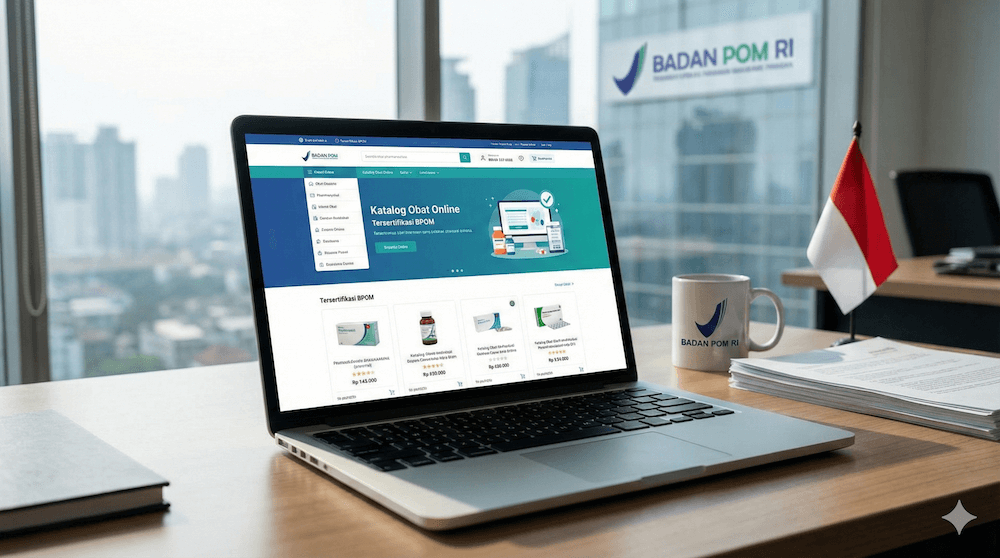
インドネシア国家医薬品食品管理庁(BPOM)は、電子商取引プラットフォームを含むオンラインで流通する医薬品および食品の監督に関する新たな規則を正式に発布しました。この改正は、オンライン商取引(Eコマース)を通じて販売される製品の安全性、品質、有効性を強化し、デジタル市場における消費者の保護を強化するための政府の継続的な取り組みの一環として行われます。インドネシアにおける規則改正の主な変更点 2024年規則の核となる枠組みは維持されますが、2025年改正では、オンライン販売業者とマーケットプレイスプラットフォームの監督を合理化し、説明責任を強化することを目的としたいくつかの重要な改正が導入されています。1. オンライン流通の監視強化 この規則は、[…]